Climate tech had a rough couple of years. The narrative ran ahead of the reality. Valuations stretched to absurd levels for companies that were essentially science experiments. When the broader market corrected, climate-adjacent companies took an outsized hit—partly because they deserved it, partly because sentiment is a blunt instrument.
A lot of generalist investors stepped back. Some climate-focused funds went quiet. We kept writing checks. Here's why.
The Correction Cleaned Up the Category
The 2021–2022 climate funding boom pulled a lot of capital into companies that were working on genuinely hard science with genuinely long timelines, dressed up as fast-moving startups because that's what the market was rewarding. Those companies ran into trouble when they couldn't hit the milestones that their valuations implied.
The correction was painful, but it clarified the category. What's left is a cleaner set of companies: founders who are building on near-term deployable technology, with real customer traction, solving specific problems that don't require the entire world to change behavior simultaneously.
That's a better set of companies to back than what was getting funded in 2021.
What "Climate" Actually Means to Us
We don't invest in companies because they're climate companies. We invest in companies that are building something people want to buy, where the climate benefit is real but secondary to the core economic value proposition.
Verdanex, one of our portfolio companies, is building grid-scale battery storage for rural microgrids. The climate case is obvious. But the primary reason their customers buy is because they get more reliable power at lower cost than diesel backup generators. The customer doesn't need to believe in climate to write a check. The economic case stands on its own.
That's the kind of climate company we're interested in. Where the product wins on the merits, and the environmental impact is a genuine plus rather than the entire pitch.
Where the Opportunity Has Shifted
Three areas where we're seeing interesting pre-seed activity right now:
- Industrial efficiency software: Companies helping manufacturers, logistics operations, and agriculture businesses reduce waste and energy consumption. The ROI is immediate and measurable. No ideological commitment required from the customer.
- Grid-edge infrastructure: The buildout of renewable capacity has created bottlenecks at the distribution and storage level. Software and hardware for managing variable generation, optimizing dispatch, and coordinating distributed assets.
- Supply chain traceability: Regulatory pressure and enterprise procurement policies are creating real demand for tools that let companies actually measure and report on their supply chain emissions. Not because they want to, but because they have to.
The Policy Tailwind Argument
The honest version of this: policy creates opportunity, but policy also changes. Betting a company's entire business model on a specific subsidy structure continuing is fragile. We've seen it fail.
The companies we're most interested in are ones that could survive a significant reduction in climate-specific subsidies because the core business case doesn't depend on them. Policy tailwinds are a nice addition, not a foundation.
A company that loses its entire reason to exist when a subsidy expires isn't a climate tech company. It's a policy arbitrage play. Those two things look similar at pre-seed but diverge sharply later.
The Texas Angle
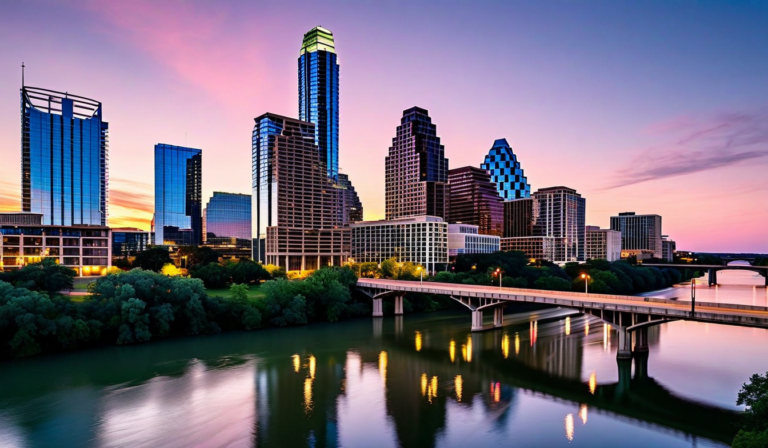
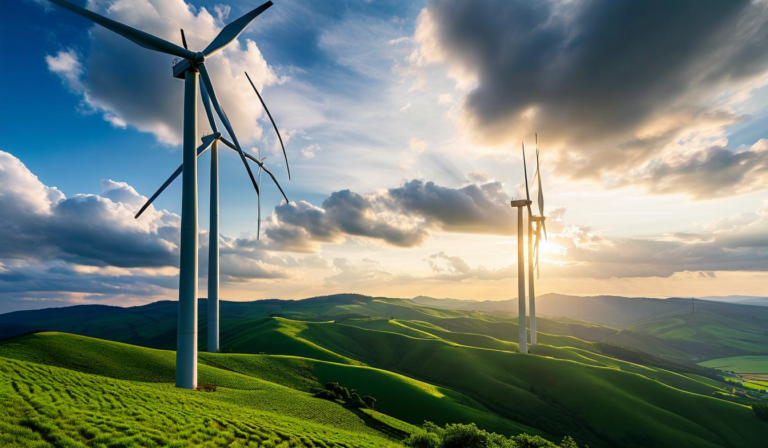
Austin and Texas more broadly are underappreciated as a base for climate-adjacent companies. The state has more installed wind capacity than any other in the country. The independent grid (ERCOT) has driven more innovation in energy management software than most regions because the incentive structures are different. The proximity to industrial customers in Houston, to agricultural operations across the state, and to growing data center infrastructure creates customer access that coastal-based founders sometimes lack.
We've seen founders who moved to Austin specifically because the customer development conversations were faster and more substantive here than on either coast. That's not the only reason to build here, but it's a real one.
The Bottom Line
We're not climate purists. We're not writing checks because climate feels important—though it is. We're writing checks because we think there's a generation of profitable companies being built in and around the energy transition, and the current moment of reduced competition from other investors means the entry terms are better than they were two years ago.
If you're building in this space and want to talk through whether your company fits what we're looking for, reach out: [email protected].